Workshops
Learn, connect, and grow with AuSM’s workshops.
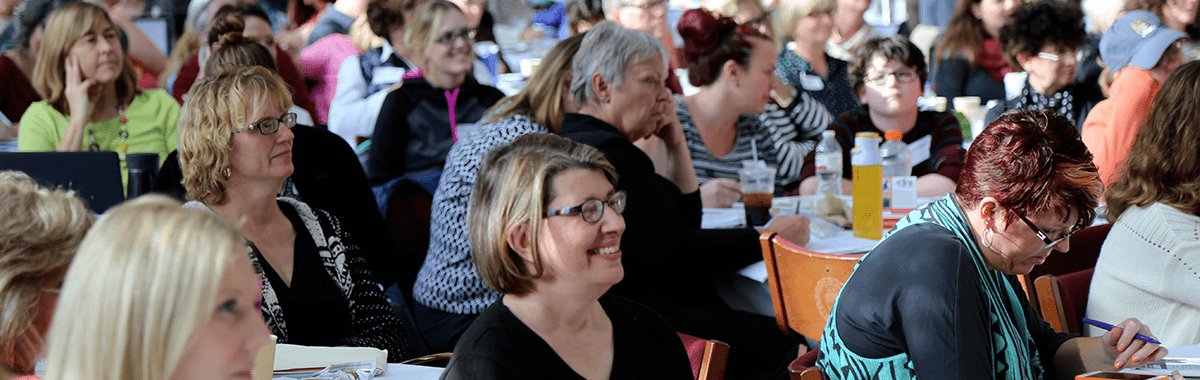
Throughout the year, AuSM offers virtual workshops that dive into real-world topics affecting autistic individuals and the people who support them. Whether you’re a family member, educator, professional, or an autistic adult yourself, you’ll find sessions led by knowledgeable presenters who bring insight, empathy, and lived experience. Topics range from person-centered planning and navigating disability services to intimacy, emotional regulation, and neurodivergent identities like AuDHD.
Upcoming AuSM Workshops
All workshops are presented virtually unless otherwise noted. Virtual workshops are recorded and available for viewing for one month after the workshop date.
Pricing: $59.99 (non-member), $49.99 (member), $39.99 (autistic individual)
All AuSM members receive a $20 coupon towards a class or workshop of their choice!
Introducing AuSM’s Workshop Bundles
In 2026, we’re making it easier to access meaningful, neurodiversity-affirming education while saving money. Our new Workshop Bundles group four carefully selected workshops into themed learning paths designed for specific audiences and lived experiences.
Each bundle reflects the real questions, challenges, and goals of the people we serve, built to give you tools that you’ll use in your everyday life. When you register for a bundle of four workshops, you’ll save $40 compared to registering for sessions individually — while gaining a more cohesive, connected learning experience.
Don’t see the bundle you want? Contact Megan to create your bundle of 4 workshops at manton@ausm.org.
Pricing: $199.99 (non-member), $159.99 (member), $124.99 (autistic individual)

Featured Workshop - Autistic House to Home: A Guide to Affirming Home Space
Date: May 7, 6:30-8:30 p.m.
Presented by: Joyner Emerick
For autistic people and those who support us, our homes are often where we are most able to customize and innovate the environment for access, enjoyment, and rest. How can we effectively and creatively design our home spaces to maximize our well-being? One of our community’s greatest autistic integrators, Joyner Emerick, will share concepts and strategies for building an affirming home, offering tools for sensory accommodation, executive function support, routine, and regulation.
Upcoming Workshops
 Supporting Autistic People With Higher Support Needs: Tools for Communication, Choice, and Quality of Life
Date: June 11, 9 a.m.-12 p.m.
Presented by: Dr. Barb Luskin
Autism is a spectrum, and autistic people have a wide range of support needs. Individuals with higher support needs may use limited or non-speaking forms of communication and may have difficulty understanding how their actions affect others. Participants will explore evidence-based tools and strategies, including visual supports, social narratives, and augmentative and alternative communication (AAC), that can strengthen communication, expand choice, and improve quality of life.
 Maximizing Your Disability Services in Minnesota: Person-Centered Planning and Creative Solutions
Date: July 9, 9 a.m.-12 p.m.
Presented by: Jillian Nelson
Join us for a workshop focused on empowering individuals with disabilities and their families in Minnesota through person-centered planning and innovative approaches. This session will guide participants on how to leverage available disability services effectively while fostering a personalized, strengths-based approach to support and services.
 Finding Yourself Beneath the Mask: Tools, Experiments and Everyday Strategies for Unmasking
Date: August 6, 9 a.m.-12 p.m.
Presented by: Jillian Nelson and Zephyr James
In the autism community, the term masking refers to the way that many autistic people (consciously to unconsciously) try to blend in and appear less autistic. This interactive workshop offers autistic adults a supportive, practical space to explore what masking looks like in their own lives and begin the process of unmasking in ways that feel intentional, flexible, and safe. Participants will be guided through reflection, discussion, and hands-on exercises help them better understand why they mask, how it impacts them, and what unmasking could look like for them — if and when they choose it.
 A Realist’s Guide to Employment Supports
Date: September 10, 9-11:30 a.m.
Presented by: Abbie Wells-Herzog
While various employment policies and programs in Minnesota have experienced cuts and shifts, autistic and disabled adults will always continue to seek opportunity, security, and purpose through work. In this session, career autism specialist and AuSM board leader Abbie Wells-Herzog will help participants understand the lay of the land in 2026, clarifying updates and misinformation related to Minnesota’s vocational rehab services and DHS employment services.
 Making Gen Ed Work for More Kids with IEPs
Date: October 8, 10 a.m.-1 p.m.
Presented by: Mash Makhlyagina
We have more students struggling in general education than ever while supports for teachers are tighter than ever. How do we sustainably include more students with disabilities in general education? How do we do it in a way that benefits ALL students? Is there a way to plan lessons, respond to needs, and feel less overwhelmed? Yes! Let’s talk about how to do this realistically.
Presented in partnership with Autism Society of Wisconsin.

 Rest, Stim, Repeat: Strategies for Fighting Burnout
Date: November 12, 9-11:30 a.m.
Presented by: Dayna Nelson
This session is a practical and restorative training designed to help you create meaningful moments of recovery and authenticity — for yourself, your clients, or your loved ones. Through guided reflection and hands-on strategies, this session explores how rest, sensory engagement, and self-expression can reduce the effects of masking and burnout.
 Just Talk to Me: Setting and Respecting Boundaries Within Relationships
Date: December 3, 9 a.m.-12 p.m.
Presented by: Kendrick Hogue and Mason Esposito
The foundations of relationships – things like mutual trust, kindness, and respect – can be more complicated than they sound. It can be difficult to know how to set boundaries and communicate your needs, and it can be just as difficult to understand the needs and boundaries of others. This workshop will discuss the challenges of communication within various relationship structures (romantic, platonic, familial, and sexual), ways to express your needs, and understand the needs of others through a neurodivergent lens.
Purchase the Recording: Growing Up Confident: Shame-Free, Affirming Strategies for Raising Neurodivergent Kids
Presented by: Amber Johnson, MA and Sara Pahl, MS, LPCC, BCBA, NCC
Many autistic and neurodivergent children grow up carrying deep shame about their differences—shame that can limit confidence, contribute to anxiety and depression, and prevent them from reaching their full potential. This workshop provides tools and strategies for navigating day-to-day challenges while fostering confidence and self-acceptance in children.
Purchase the Recording: PTSD and ASD: Double Neurodivergence
Presented by: Sara Lahti
Autistic people are likely to experience trauma at a higher rate compared to neurotypicals. Sometimes these traumatic experiences turn into Post-Traumatic Stress Disorder, or PTSD. What does it mean to have two forms of neurodivergence? This workshop will go over the intersection of PTSD and ASD, the basics of EMDR (a common trauma therapy), and PTSD as acquired neurodivergence.
Purchase the Recording: Understanding the Medical & Biological Aspects of Autism
Presented by: Dr. Steven Smedshammer & Dr. Molly Sajady
This interdisciplinary learning session brings together clinicians and researchers from Children’s Minnesota to offer a clear, evidence-based overview of the medical and biological aspects of autism. Designed for both professionals and individuals with a personal interest, the session will review accepted and emerging research on causes and genetic heritability, common co-occurring conditions, neurology, sleep, and relevant approaches to medical management.
Accessing ASD Supports and Services in Minnesota
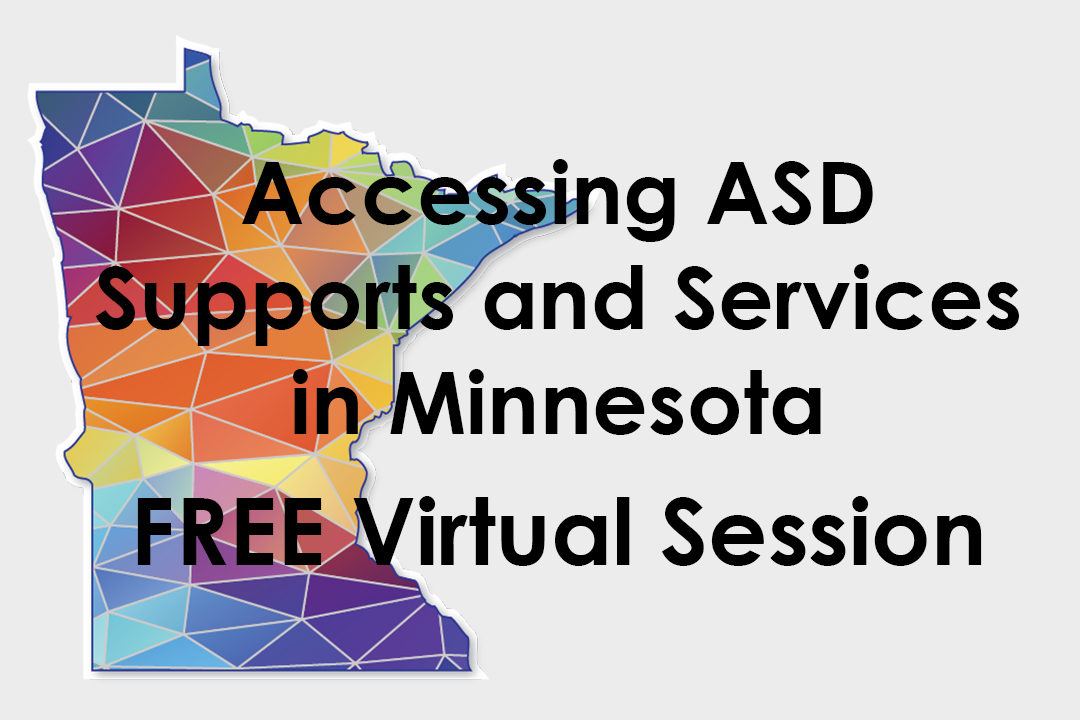
Available to watch at your own pace, in your own space, in your own time at no charge. Increase your awareness of and access to the range of services and supports available to people with autism in Minnesota.
- Minnesota Department of Education (MDE)/BrightWorks
- Minnesota Department of Health (MDH)
- Minnesota Department of Employment and Economic Development (DEED) and Vocational Rehabilitation Services (VRS)
- Minnesota Department of Human Services (DHS)
AuSM Workshops are sponsored by Best Care
AuSM Scholarships
AuSM wants to make its programs and services available to as many individuals as possible. Scholarships are available for most of our programs, including:
- AuSM Camps
- Memberships
- Workshops
- The Minnesota Autism Conference
- The Autistic Community Summit
Apply for scholarships through the registration form for each event or activity. Scholarships are funded by donations and are only offered when funding is available.
Waivers
Check with your county case manager to learn if your selected class, camp, or program can be paid for under the Consumer Directed Community Supports (CDCS); Brain Injury (BI); Community Alternative Care (CAC); or Developmental Disability (DD) waivers. By registering for an AuSM class, camp, or program, you agree to pay in full any amount not covered by the Third Party Payer.
Cancellation Policy
Notification of cancellation: If an event or class is cancelled or postponed, AuSM will attempt to notify you via phone, using the phone number provided with your registration. We also will post notice of cancellations and postponements on www.ausm.org.
Cancellation by registrant: Refunds less a $25 processing fee will be given for cancellations received in writing to info@ausm.org ten business days prior to the start of the event or class. Following this date, no refunds will be given. Requests for transfer of registration to another individual will be considered on a case-by-case basis.
Cancellation by program organizer: AuSM reserves the right to cancel an event or class due to low registrations or other circumstances that make the event or class non-viable. If AuSM cancels an event or class, registrants will be offered a full refund. If the event or class is postponed, registrants will have the option to either receive a full refund or transfer registration to the same event or class at the new, future date.