AuSM Workshop – Supporting Autistic People With Higher Support Needs: Tools for Communication, Choice, and Quality of Life
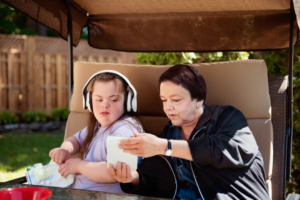 Presented by: Dr. Barb Luskin
Workshop Season Sponsored by: Best Care
This Workshop Sponsored by: Accra
Pricing: $59.99 (non-member), $49.99 (member), $39.99 (scholarship rate)
Held Virtually: workshop available for purchase for one month after the workshop
Autism is a spectrum, and autistic people have a wide range of support needs. Individuals with higher support needs may use limited or non-speaking forms of communication and may have difficulty understanding how their actions affect others. When appropriate supports are missing or mismatched, these challenges can lead to behaviors that do not effectively communicate needs, restrict autonomy, or limit opportunities for choice and participation. Participants will explore evidence-based tools and strategies, including visual supports, social narratives, and augmentative and alternative communication (AAC), that can strengthen communication, expand choice, and improve quality of life. In addition, the session will examine how ableism is often embedded within support systems and how lowered expectations can unintentionally limit autonomy and growth.
Objectives:
By the end of the session, participants will…
- Differentiate between a variety of communication methods used by autistic individuals with more intensive support needs.
- Analyze how the fit between a person and their supports can influence autonomy, participation, and well-being.
- Identify practical, research-informed communication supports that increase access to choice and self-expression.
- Evaluate how assumptions about capability can shape support practices and either expand or restrict opportunities for growth.
- Implement strengths-based strategies that prioritize dignity, self-determination, and quality of life in everyday support settings.
Presenter
Dr. Barb Luskin is a licensed psychologist who has worked closely with children and adults with ASD for more than 30 years in professional and home settings. She specializes in providing both assessments and counseling to individuals with ASD and those who support them.
Workshop Season Sponsor
Best Care

This Workshop Sponsor
Accra